The Secret World of Tsukebito: Sumo's Personal Attendants
Discover the unsung heroes of sumo who handle everything from cooking chanko nabe to the sacred sword-bearing duties for a Yokozuna.
SPRING JUNGYO 2026
One day. Ten thousand fans. Centuries of tradition.
"Yokohama sumo" refers to the Grand Sumo regional tour (jungyo) stops in Yokohama. This one-day exhibition event is more relaxed and interactive than official tournaments, making it the perfect introduction for international visitors.
Discover what happens during a typical Jungyo day.
Watch wrestlers warm up and train on the dohyo at close range. Taiko drums signal the start outside the venue. Lower-division wrestlers train first, followed by higher-ranked wrestlers.
Exhibition-style bouts for Jonidan, Sandanme, and Makushita divisions. Watch rising talents compete as the energy in the arena builds.
Enjoy shokkiri (comic sumo), traditional sumo jinku songs, hairdressing demos, and taiko drumming displays.
Dignified dohyo-iri (ring-entering ceremony) followed by intense matches between the stars. If a yokozuna is touring, expect a grand entrance.
The yumitori-shiki marks the end of a spectacular day, followed by a final taiko drum roll.
Did you know?
Yokozuna travel with up to 10 personal attendants (tsukebito) who handle everything from cooking to banking.
Choose the best way to experience the Yokohama Jungyo.
¥4,000 -- ¥16,000
Best for: planners comfortable with email coordination
Book with ConciergeFrom ~¥25,000
Best for: visitors who want zero hassle
View ToursAbove face value
Best for: last-minute buyers or specific premium seats
Check ResaleNot sure which option to pick? Answer two quick questions.
What matters most to you?
First-hand experiences from international sumo fans
from USA
Absolutely incredible experience. We arrived at 9 AM and watched the wrestlers practice up close. The atmosphere was electric but welcoming -- nothing like the stuffy event I expected.
Attended 2025 Jungyo
from UK
The comic sumo bout (shokkiri) had the entire arena laughing. My kids loved it. We got autographs from two wrestlers afterwards. Best day of our Japan trip.
Attended 2025 Jungyo
from Australia
Used Jasumo to get tickets and everything went smoothly. 2nd floor seats gave us a great view of the ring. The ring-entering ceremony was breathtaking.
Attended 2025 Jungyo
from France
I was worried about the language barrier but it was no issue at all. The sumo songs were hauntingly beautiful. The whole event felt like stepping into another world.
Attended 2025 Jungyo
from Canada
Booked through GetYourGuide and it was worth every yen. Our guide explained every ceremony and ritual. The chanko nabe at lunch was a bonus highlight.
Attended 2025 Jungyo
Did you know?
The comic shokkiri bout deliberately demonstrates every illegal move in sumo -- played for laughs. It's one of the most popular segments at any Jungyo event.
From Tokyo Station: JR Tokaido Line to Yokohama, then Minato Mirai Line (~45 min). From Haneda Airport: Keikyu Line to Yokohama, then Minato Mirai Line (~50 min). From Narita: Narita Express to Yokohama (~90 min).
Average 14--19°C (57--66°F). Light jacket recommended; rain possible (bring a compact umbrella).
Camera (photos allowed during Jungyo). Cushion for ringside floor seats. Cash for merchandise and food stalls.
Bento boxes and drinks sold inside the arena. Chanko nabe (sumo stew) sometimes available. Minato Mirai restaurants within walking distance for post-event dining.
"Yokohama sumo" refers to the Grand Sumo regional tour (jungyo) stops in Yokohama. These are one-day exhibition events held outside the main tournament schedule at modern arenas like Pia Arena MM. The atmosphere is more relaxed and show-like than official tournaments, making them ideal for first-time spectators and families.
Jungyo is a one-day exhibition with a relaxed, festival-like atmosphere, while grand tournaments (honbasho) are 15-day official competitions held six times a year in just four cities (Tokyo, Nagoya, Fukuoka, and Osaka). Jungyo offers more fan access, photo ops, and cultural performances like comic bouts and songs. Tournament results affect rankings; Jungyo results do not.
No. Jungyo matches are held to promote sumo and entertain fans. Official rankings (banzuke) are only determined by the results of the six Grand Sumo tournaments (honbasho). The banzuke is created after each official tournament by a committee, based solely on wrestlers' win-loss records in that tournament.
Doors open at 9:00 AM with open practice where you can watch wrestlers warm up at close range. Late morning brings lower-division bouts and cultural performances (okonomi) including comic sumo, songs, and hairdressing demos. Early afternoon features ring-entering ceremonies and top-division matches. The day ends around 3:00 PM with the bow-twirling ceremony (yumitori-shiki).
Okonomi refers to special attractions unique to the tour: comic sumo (shokkiri) where wrestlers humorously demonstrate illegal techniques, sumo songs (sumo jinku), hairdressing demonstrations for top wrestlers' ceremonial topknots, and taiko drumming displays. These are performed by tsukebito (attendants) who double as entertainers.
Foreigners have three main options: (1) Use Jasumo, a concierge service that helps you buy official face-value tickets from eplus with full English support and global credit card payment. (2) Book an all-inclusive guided tour through GetYourGuide or H.I.S. that includes ticket, guide, and lunch. (3) If official channels are sold out, use JasumoTickets' resale service at above face value.
2nd floor seats (~¥7,000) offer the best balance of price and view for first-timers, with comfortable standard chairs. 3rd floor (~¥4,000) is the budget choice with a full-ring view but further from the action. Arena chair seats (~¥11,500) bring you closer. Tamari ringside seats (¥15,000--¥16,000) offer an amazing atmosphere but require sitting on floor cushions, and you may get hit by a falling wrestler.
Pia Arena MM is in the Minato Mirai area of Yokohama. From Tokyo Station: take the JR Tokaido Line to Yokohama, then the Minato Mirai Line to Shin-Takashima or Minato-Mirai Station (~45 minutes total). From Haneda Airport: Keikyu Line to Yokohama then Minato Mirai Line (~50 minutes). From Narita Airport: Narita Express to Yokohama (~90 minutes).
Deep dives into the traditions, ceremonies, and culture behind the sport
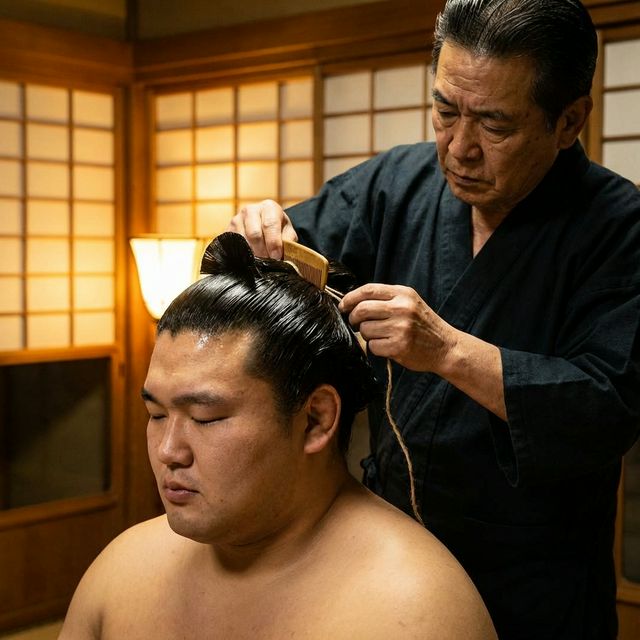 History
Discover the unsung heroes of sumo who handle everything from cooking chanko nabe to the sacred sword-bearing duties for a Yokozuna.
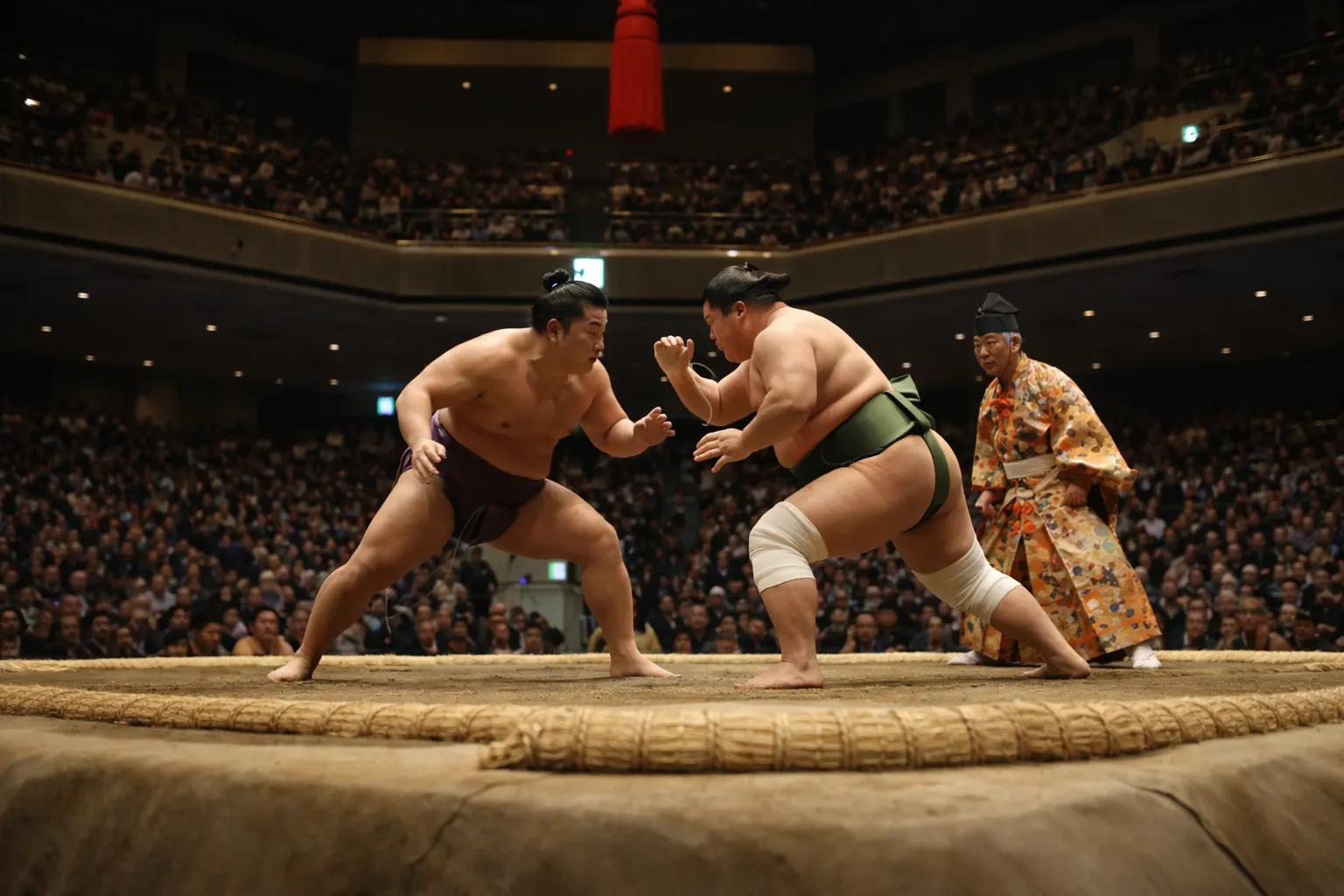 Culture
From comic bouts (shokkiri) to traditional songs, explore the lighter, entertaining side of sumo that you only see on the Jungyo tour.
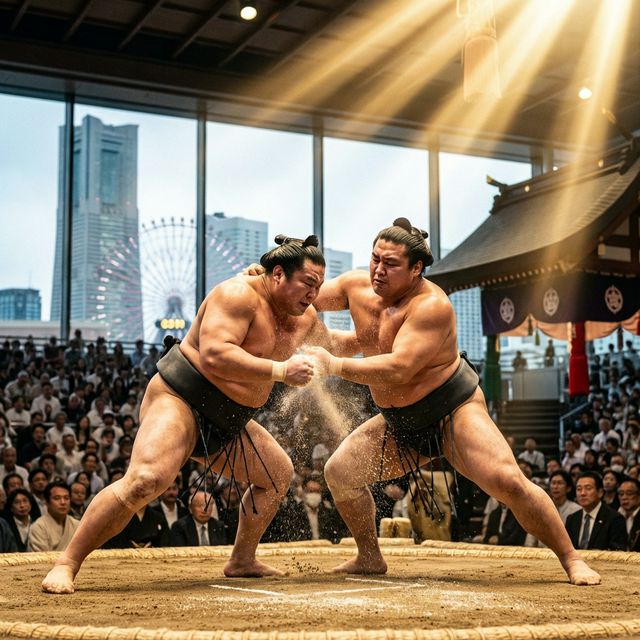 Culture
Understanding why a one-day exhibition tour might be the perfect entry point for your first sumo experience compared to a 15-day tournament.